
B2B e-commerce is no longer a channel; it’s core business infrastructure

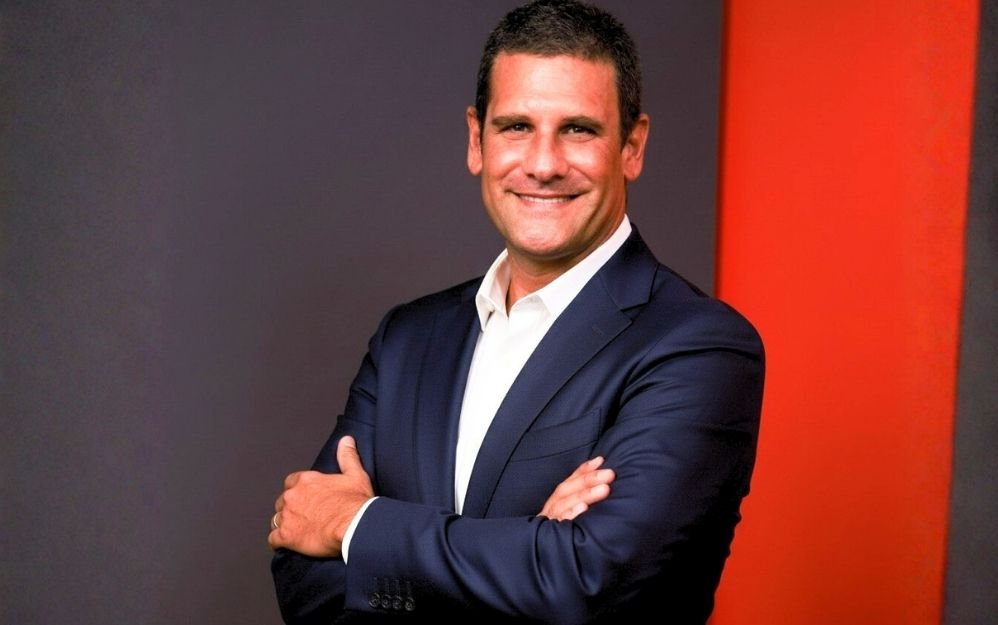
Sebastián Moglia, consultant in Commercial Digital Transformation, states that B2B e-commerce is no longer an operational tool it has become the company’s new nervous system.
The myth of “e-commerce is not for my industry”
One of the most common barriers, Moglia says, is the mistaken idea that e-commerce belongs exclusively to the B2C world. But everything changes when decision-makers see concrete examples in their own sector: personalized pricing, instant inventory visibility, automated proposals, and scheduled orders based on historical data.
The turning point happens in the financial conversation: reduced administrative costs, faster rotation, improved margins, and data-driven decisions.
“When the discussion reaches the CFO or commercial director’s dashboard, the value becomes obvious. This is no longer an IT project it directly enables the business,” he explains.
A region at two speeds but showing clear signs of maturity
According to Moglia, Mexico and Latin America show a mixed ecosystem. On one hand, companies that already integrate ERP, pricing, logistics, and smart catalogs into a single digital flow; on the other, businesses still managing orders through WhatsApp or Excel.
Still, two signals show undeniable progress:
- demand for more agile B2B experiences similar to retail,
- and growing interest in exploiting data to analyze rotation, recurrence, price elasticity, and buying patterns.
The challenge is no longer the technology it’s abandoning improvised internal developments and adopting standardized architectures that can scale.
Home sector: digital leaders… and laggards
In the home sector, the most advanced categories are appliances, home technology, and white-goods. SKU complexity, traceability requirements, and strong ERPs accelerated digitalization.
By contrast, furniture, décor, and traditional home goods move more slowly, relying on email quotes, manual pre-orders, and limited inventory control. Still, Moglia sees enormous potential:
“These are high-ticket categories with rational decision-making. Intelligent B2B is their natural territory.”
The real barrier isn’t technological it’s cultural
Although technical integrations can be challenging in-stock visibility, credit limits, volume discounts, logistics, invoicing Moglia says the biggest obstacles lie inside organizations.
Fear of transparency, resistance to abandoning “how things have always been done,” and the false belief that digitalization means more work stop more projects than any technology gap.
“The hardest transformation is mental. Shifting from reactive operations to process- and data-based operations. When that happens, everything else falls into place.”
Toward an intelligent B2B that anticipates orders before the customer asks
AI, purchase history, seasonal patterns, and elasticity models already allow forecasting replenishment, optimizing pricing, and activating personalized recommendations. The next leap, Moglia says, will be decisive: a B2B model that proposes ready-to-confirm orders and manages predictive commercial relationships instead of capturing them manually.
The value of face-to-face: why trade shows like Electronics & Home Mexico remain essential
Even as B2B digitizes at high speed, Moglia emphasizes that strategic deals are still born in person. Shows like Electronics & Home Mexico allow companies to compare real solutions, see the market head-on, and secure alliances that would take months online.
“Offline is connection. Online is scale. When both coexist, great things happen,” he says.
Opportunities for 2026: a market ready for bold players
Moglia sees fertile ground for manufacturers, wholesalers, and distributors:
dynamic customer-based pricing, corporate marketplaces, automated recurring sales, product configurators, shared logistics centers, full omnichannel strategy, and digital financing with smart scoring.
The new competition won’t be about having a platform but about having a strategy.
Final advice: stop waiting for perfection
“In Mexico we say: you have to move the truck; the avocados will settle on their own,” Moglia says. His direct invitation to doubters: start with real cases, measure impact, iterate quickly, and move forward.
Digitalization doesn’t replace human connection it strengthens it. And it frees teams to focus on what truly matters: selling, advising, and growing.